


Retail Spill Management: Why Every Supermarket Needs the Right Spill Response Products
In a busy retail environment, spills are not a matter of if they will happen, but when. From broken bottles in shopping aisles to leaking refrigeration units and damaged stock in storage areas, supermarkets face numerous spill risks every day. Without a rapid and effective response, even a small spill can quickly lead to customer injuries, staff accidents, damaged equipment, lost productivity, and potential legal claims.
Effective spill management is therefore a critical part of supermarket health and safety, helping retailers protect people, maintain operations, and preserve their reputation.
Where Do Spills Occur in Supermarkets?
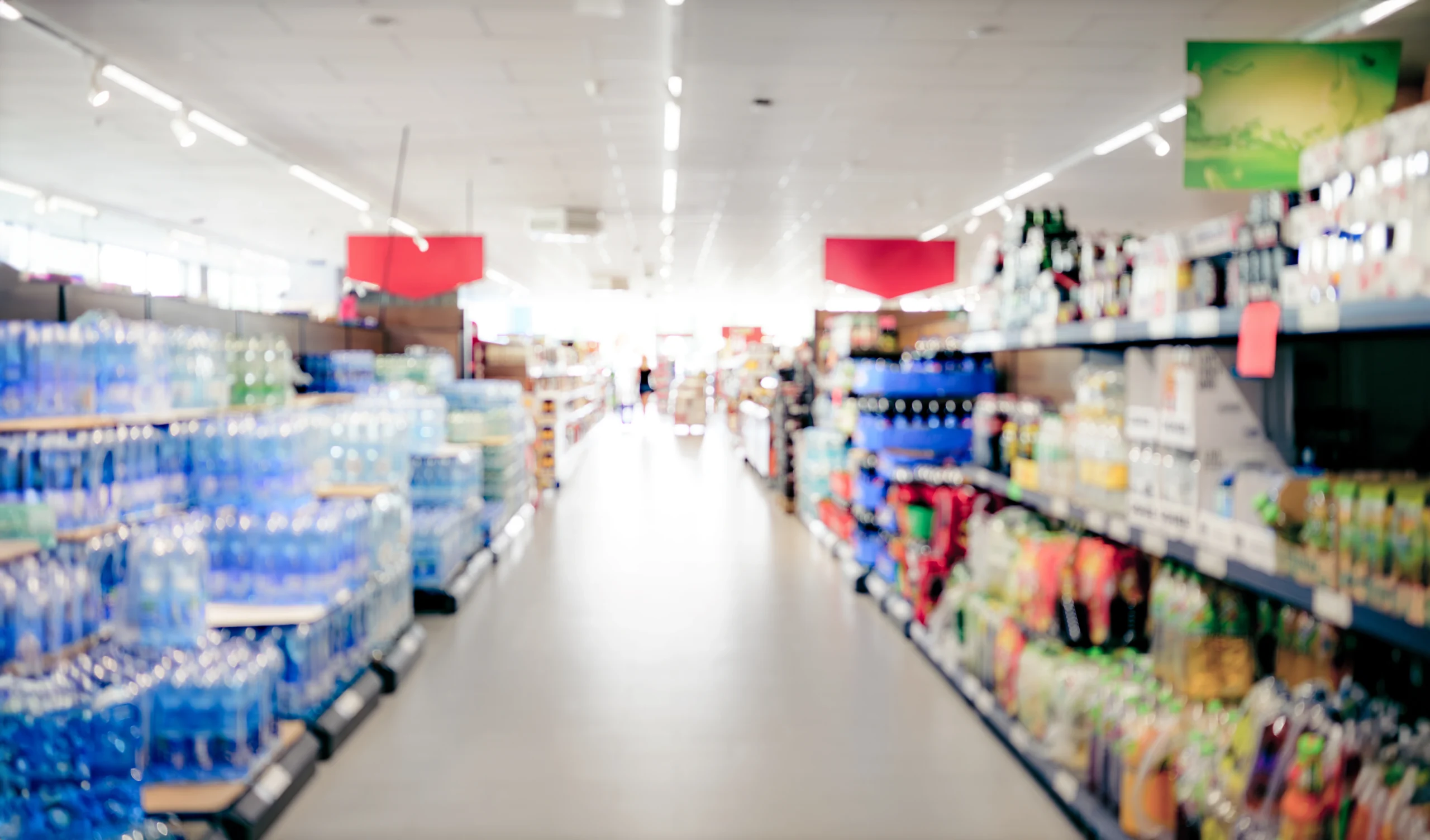
Many people immediately think of spills occurring within the aisle of a supermarket, but these retail outlets face hazards throughout their entire operation.
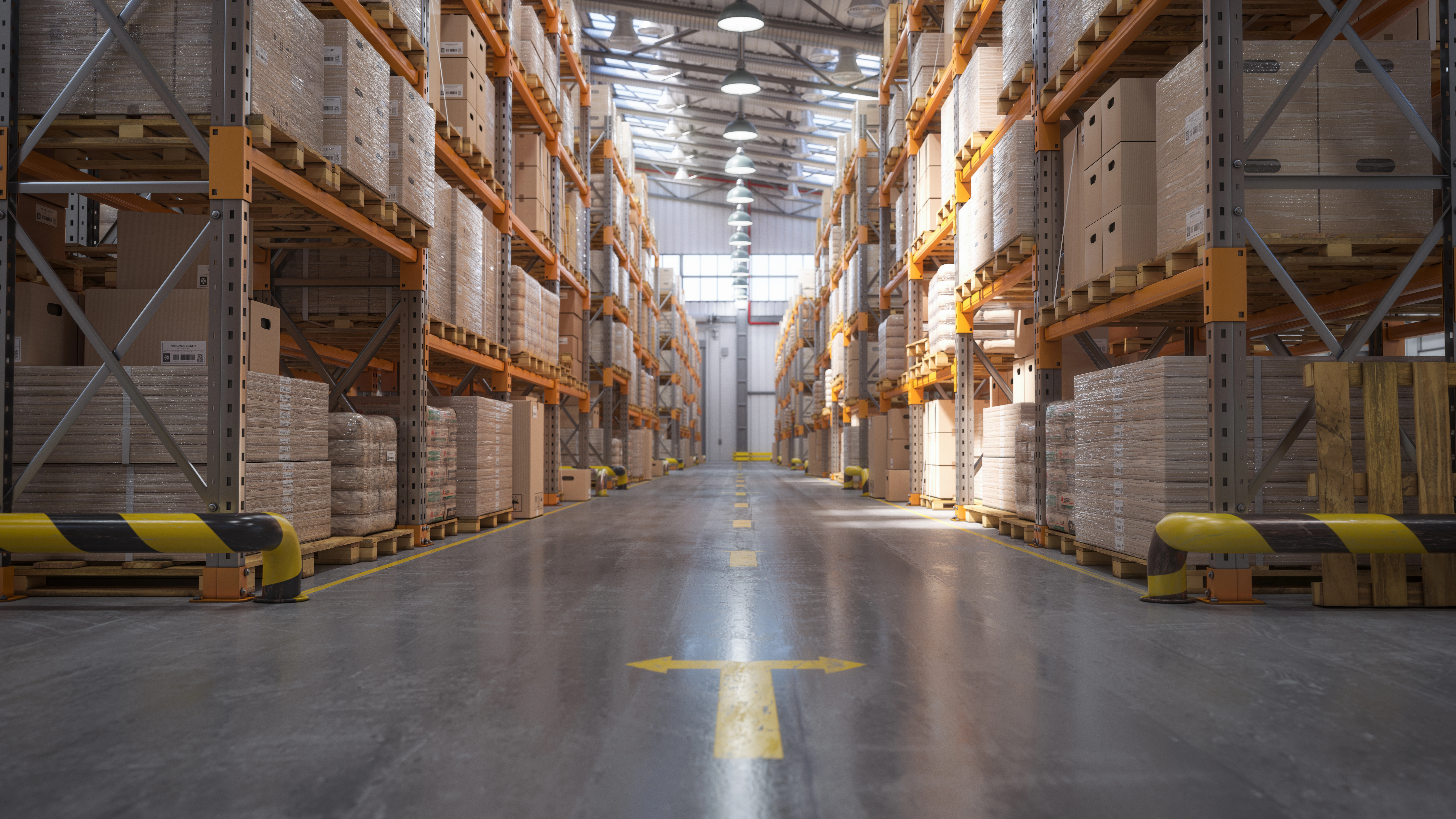
Back-of-Store Storage Areas
The stockroom is often one of the busiest locations within a supermarket. Staff are constantly taking deliveries, unloading deliveries, transferring goods, and preparing stock for replenishment.
Common spill risks include:
- Damaged packaging during unloading
- Leaking pallets of liquid products
- Split cleaning chemicals
- Broken jars and bottles during handling
- Spillages caused by forklift or trolley accidents
- Leaking containers during storage
These areas can quickly become hazardous and become a slip hazard for staff and spills left untreated can cause damage to stock and packaging.
Retail Aisles
The public-facing areas of a supermarket experience a different set of spill challenges, not least the liability of a customer slipping or falling due to a spillage.
Common spill caused by customers include:
- Broken bottles: soft drinks, wine, sauces, or cooking oils
- Dropped dairy products
- Leaking frozen food packaging
- Water from flower displays
Research into supermarket safety highlights that spills remain one of the leading causes of slips and falls in retail environments. Stores are expected to carry out regular floor inspections and respond quickly when hazards are identified. [hse.gov.uk]
The Hidden Hazard of Refrigeration Leaks
One of the most overlooked causes of supermarket slips is leaking refrigeration equipment.
Fridges and freezers can develop condensation issues, blocked drain lines, or mechanical faults that allow water to accumulate on surrounding floors. These leaks often create a thin, almost invisible film of water that can be extremely slippery.
Unlike a smashed drink bottle, refrigeration leaks are not always immediately obvious. Water may slowly build up over several hours, creating a continuous slip hazard for both customers and staff.
Industry guidance identifies leaking refrigeration units as a common source of supermarket slip accidents, highlighting the need for regular inspections and prompt maintenance.
The Real Cost of Delayed Spill Response
When a spill is not addressed immediately, the consequences can extend far beyond a simple clean-up operation; spills can lead to injury, possible claims and have a major impact on the retailer.
Typical customer injuries, caused by spills include:
- Sprains and strains
- Fractures
- Head injuries
- Soft tissue damage
Retailers have a duty of care to customers visiting their premises and are expected to take reasonable steps to maintain safe conditions, at all times. [hse.gov.uk]
Staff Accidents
Employees working in warehouses, stockrooms, and sales areas are equally vulnerable. Staff often carry products, push cages, or move quickly between tasks, making them particularly susceptible to slip-related injuries when spills occur.
Equipment Damage
Spills can also affect:
- Refrigeration units
- Electrical equipment
- Stock handling machinery
- Shelving systems
- Product packaging
Liquid ingress into electrical equipment can result in costly repairs, risk to personnel and operational downtime.
Business Disruption
A simple spill can quickly impact store operations by:
- Blocking customer access to aisles
- Lost sales
- Delaying replenishment activities
- Creating stock losses
- Requiring emergency cleaning resources
The longer a spill remains unattended, the greater the disruption and risk.
Why Having the Correct Spill Products Matters
Many supermarkets still rely heavily on traditional mops and paper towels. While these may handle minor incidents, they are often ineffective when dealing with larger spills or hazardous liquids.
Purpose-designed spill response products provide a much safer, reliable, faster and effective solution.
Being prepared will make it easier to respond swiftly and protect people.
Spill Control Protection
Having spill products easily accessible, and staff trained to respond quickly, safely, and confidently, will result in lower incidents and reduced daily operational interference. Using high-performance absorbents, such as socks and mats and granules will rapidly soak up liquids, reducing the time a hazard remains present.
Better Compliance
Having proper spill control procedures in place will also support supermarket safety programmes and demonstrate a proactive approach to risk management, to support UK regulations such as ISO 14001.
Essential Spill Products for Retail Environments
Spill kits, stations, drip tray containment and simple Spill-Aid caddy kits equipped with appropriate spill response products will keep a supermarket, both the back-end storage and customer-focused retail isles, spill prepared to keep spill risks to a minimum.
Creating a Spill-Ready Culture
Health and safety guidance for the retail sector consistently emphasises the importance of rapid spill response, effective inspection regimes, and proper cleaning procedures in reducing slip and trip incidents. [hse.gov.uk], [hse.gov.uk]
Simple spill procedures will safe guard the business and people.
Final Thoughts
Supermarkets are fast-moving environments where spills can occur at any stage of the retail process, from unloading deliveries into storage areas through to customer activity on the shop floor. Whether it’s a leaking fridge, a broken wine bottle, a dropped carton of milk, or damaged stock in the warehouse, every spill presents a potential risk.
By equipping stores with dedicated spill kits, absorbent products, and easily accessible spill stations, and caddy kits, retailers can respond quickly and effectively, minimising the risk of injury, protecting equipment, and maintaining a safe shopping experience for customers and a safe workplace for employees.
When it comes to retail spill management, preparedness isn’t just good practice; it’s an essential investment in safety, efficiency, and operational continuity.
What is Needed for Spill Compliance?
Our helpful Spill Compliance Guide explains the key areas that can affect your site’s spill readiness. It details common exposure points, audit considerations and practical steps for keeping spill control up to date as your site changes.To meet regulations and remain compliant your business.