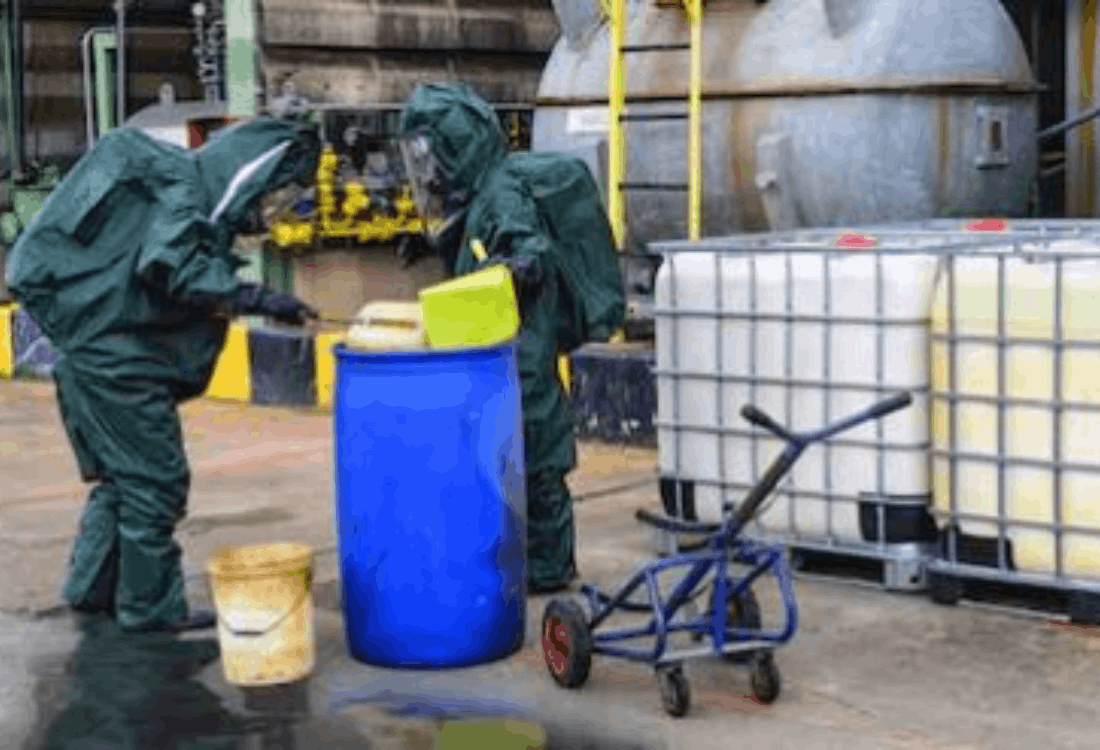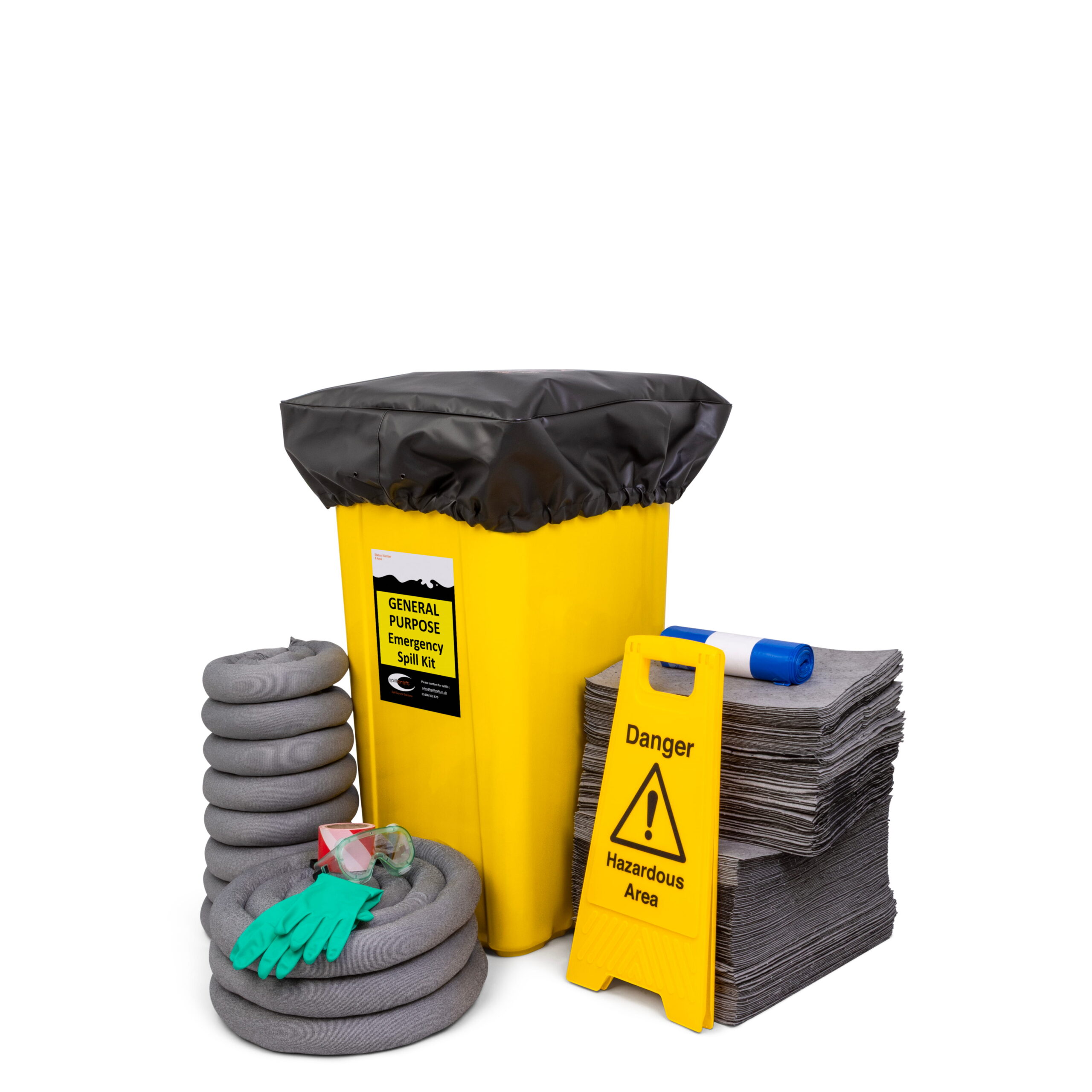



Where you place your emergency spill kits is just as important as selecting the right kit itself.
A well-positioned spill kit enables you to respond quickly to spills, reduce safety risks, and protect your team from unnecessary exposure to chemicals and harmful substances. When a spill occurs, every second counts, which is why the location of your spill equipment should always support fast, confident action. Read on to find out more.
Why Spill Kit Location Matters
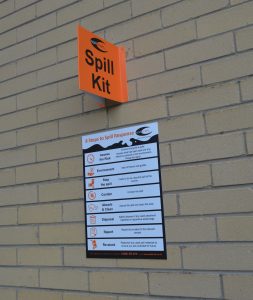
Placing your spill kits in strategic areas helps you control incidents before they escalate. When kits are positioned too far from the hazard zone or hidden behind equipment, your team’s response times slow down and the chance of contamination increases with each minute wasted. You’ll want your team to reach them quickly without searching or navigating obstacles.
Best Practices For Spill Kit Placement
You can improve the effectiveness of your spill response system by placing kits in the following key locations:
Proximity to hazardous material storage: Store your kits close to the areas where oils, fuels, chemicals or other hazardous liquids are kept. As discussed, the closer the kit is to the storage area, the faster your team can contain any leaks.
Accessibility in high traffic areas: High movement areas such as busy walkways or production areas should always have a spill kit close by. This ensures accessibility if a spill happens while materials are being transported or handled.
Visibility for quick identification: Your team should be able to spot and identify a spill kit immediately without examining product labels or rummaging through shelves. Choose a product with bold and distinctive packaging, position your kits in open, unobstructed areas, and make sure the signage is clear and easy to recognise.
Near maintenance and repair zones: Tools, lubricants and cleaning fluids used in maintenance work often present spill risks. Placing maintenance spill kits in these areas supports quick intervention during repair tasks.
Common Areas Where Spill Kits Are Missing
Unfortunately, many workplaces overlook high risk locations that should have better spill protection. Review your site carefully so you are not missing any of these common risk zones:
Isolated storage rooms
Corners of workshops with access to absorbents
Forklift charging areas
Battery storage areas
Car parks and vehicle storage areas
Loading bays and delivery points
Machine areas identified as high-risk zones for leakage
Find Out More
For guidance on choosing the right kit or improving the placement of your emergency spill kits, please contact Spillcraft today for expert support and practical site solutions.