

When a chemical spill occurs, the absorbent you choose has a significant impact on how quickly and safely you get it under control. Using the wrong material can cause a spill to spread or even react dangerously with certain substances. By understanding how different absorbent formats, such as pads, socks, booms, and pillows behave on your floors and work surfaces, you can ensure a safe, controlled cleanup every time.
In this article, we explain how to choose absorbents for chemical spills that suit your environment, support your spill control goals, and make clean-up faster and safer.
The Importance Of Colour-Coding: Why Yellow?
Opting for yellow coloured absorbents is a smart choice for managing chemical spills. This high-visibility colour acts as a critical safety warning, alerting your team, visitors, and waste carriers that the saturated material potentially contains hazardous substances. It is also worth noting that yellow is the recognised industry standard for hazardous materials in the UK, this would ensure consistent and clear communication across your site. Unlike selective oil absorbents, these chemical specific products are non-selective, which means they will effectively absorb any liquid they contact, including water and non-hazardous fluids.
Types Of Absorbent Material For Chemical Spills
Absorbents for chemical spills vary widely in composition, structure, and behaviour. The right material can prevent a spill from escalating, while the wrong one may fail, react, or even make the situation more dangerous, so here’s a detailed look at the most common absorbent types and how they perform in practical situations.
1. Melt-Blown Polypropylene: Chemical Pads And Mats
Melt-blown polypropylene is one of the most versatile and reliable materials used in chemical absorbents. It offers:
- Excellent chemical resistance, staying intact when exposed to acids, alkalis, solvents, and other corrosive liquids.
- Quick absorption, ideal for spills that could spread rapidly across smooth or sealed surfaces.
- High liquid retention, allowing the pads to hold significant volumes without leaking.
- Strong structural integrity, meaning saturated pads remain easy to lift and remove without tearing.
Unlike selective oil mats, chemical mats are designed to absorb everything they come into contact with, including water. Because they absorb both hazardous and non-hazardous liquids regardless of the environment, they are the ideal choice for managing mixed spill scenarios.
2. Granular Absorbents
Granules are a practical option when spills occur on irregular or textured surfaces. They provide:
- Excellent coverage on uneven floors, cracks, grates, or compact spaces.
- Controlled application, since you can pour the granules directly onto the spill.
- Effective liquid encapsulation, with many granules trapping liquid inside a stable structure.
However, they do require sweeping and additional cleanup time afterward. For small-volume spills in difficult areas, they can be extremely useful, but they are less efficient for large chemical releases.
3. Absorbent Socks And Booms
Often referred to as “snakes” or “sausages,” absorbent socks are the first line of defense in spill containment.
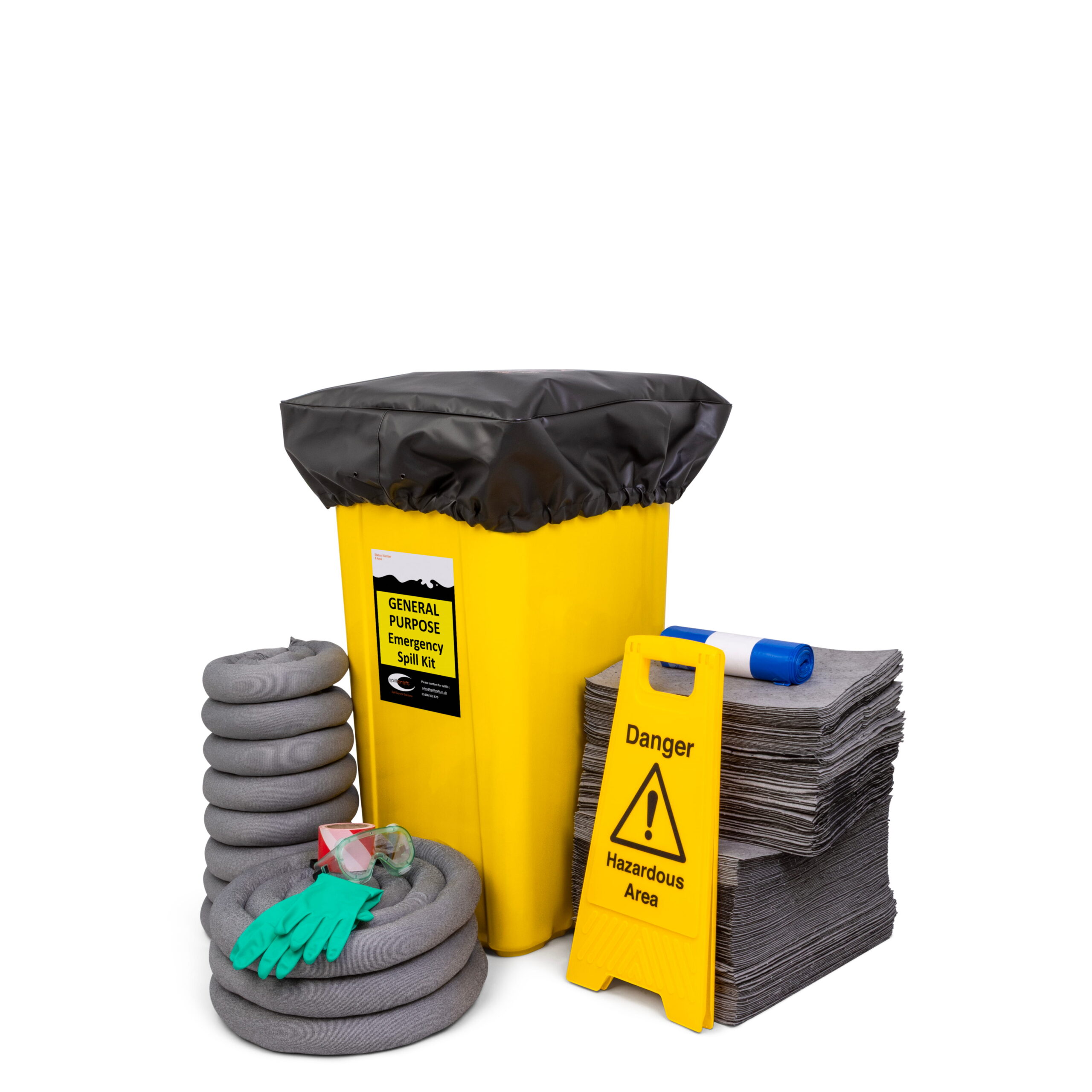
Socks: These are filled with highly absorbent polyacrylate and are designed to be flexible. They are ideal for wrapping around the base of leaky machinery or encircling a spill area to prevent the liquid from spreading further across the floor.
Booms: These are built for heavy-duty containment, booms have a thicker diameter for larger volumes. They are modular and can be tied together to create a continuous barrier for expansive spill perimeters.
4. Absorbent Pillows
When mats and pads reach their limit, absorbent pillows (or cushions) take over. Because they have a much higher internal volume, they can soak up significantly more liquid than flat absorbents.
- Deep Spills: They are the ideal choice for “pooling” spills where you need to extract liquid from a concentrated area.
- Steady Leaks: Their high retention capacity makes them perfect for placing directly underneath a persistently leaking hose, valve, or tap, allowing them to sit for longer periods without becoming over-saturated.
5. Chemical Absorbent Drum Toppers
Specifically designed to fit the lid of a standard 205Ltr drum, drum toppers are a preventative essential.
- Process Safety: When using pumps, funnels, or faucets to transfer chemicals, drips and overspills are almost inevitable.
- Clean Transfers: By placing a topper on the lid before work begins, it captures drips instantly. This prevents chemicals from running down the drum sides and eliminates the need for a secondary cleanup.
Which Materials Belong In Your Chemical Spill Kit?
Once you understand each material’s strengths (and limitations, in some cases), you can decide which ones belong in your chemical spill kit. Consider the following:
- Chemical compatibility: Match the absorbent to the acids, bases, or solvents you store.
- Absorption speed: Fast absorption limits spread and reduces slip hazards.
- Strength under pressure: Use absorbent socks or booms to surround and contain a spill, preventing it from spreading.
- Waste disposal: Different chemicals require specific disposal methods, so select materials that simplify this process. Always ensure used absorbents are placed in clearly labelled hazardous waste bags. To maintain compliance, confirm the appropriate disposal procedures for hazardous materials with your local authority.
- Format and size: Rolls, sheets, socks, and granules each serve a specific purpose.
Using these criteria helps you build a kit that genuinely reflects the risks in your space.
Best Practices For Using Absorbent Materials
- Use spill stations in factory settings so staff can quickly grab an absorbent for minor releases.
- Focus on protecting drains so that no spills enter waterways.
- Ensure staff know how to manage spills to prevent escalation and potential pollution.
- Identify a spill response team and provide training to manage incidents before they disrupt operations.
- Train staff on scenario specific materials to ensure faster response times and minimise environmental or personnel risk.
- Use proactive spill management to prevent minor accidents from turning into major production delays.
Still Unsure?
The absorbent material you choose for chemical spill cleanups has a big impact on safety, efficiency, and compliance, so if you are unsure of the products you need, feel free to call one of the knowledgeable team at Spillcraft today on 01606 352 679, and we can match the ideal absorbent to the substances you use.