Spill response plans and spill risk assessments address different stages of the same problem. Response planning focuses on what happens after a release occurs, while risk assessment examines how a release could occur in the first place, and what conditions would allow it to escalate. In this article, we explain how to conduct a comprehensive […]
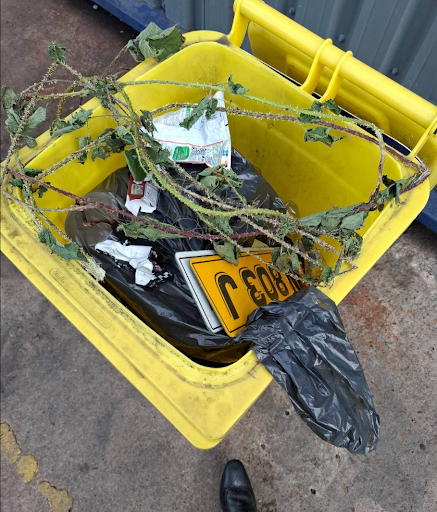
Granules and pads both absorb liquids, but they operate differently at the floor surface and create different downstream handling burdens. So, when do you use absorbent granules and when absorbent pads? This depends on several factors, which we will explore in this article. In practice, absorbent choice is often shaped by stock availability, habit, or […]
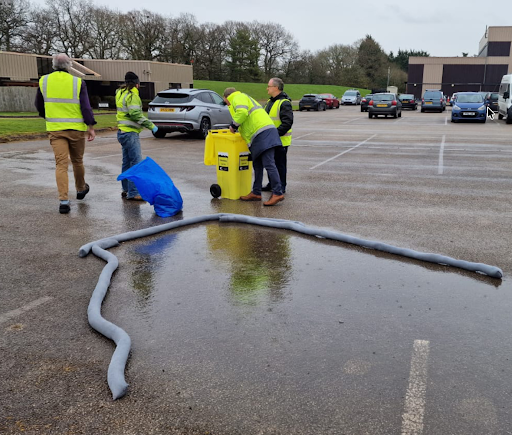
When a leak or spill occurs in the workplace, the immediate priority is containment. Whether it’s a burst hydraulic line in a plastic manufacturing plant or a tipped chemical drum in a warehouse, the goal is to stop the spread and bulk up the liquid using spill kits. However, it is a common misconception that […]
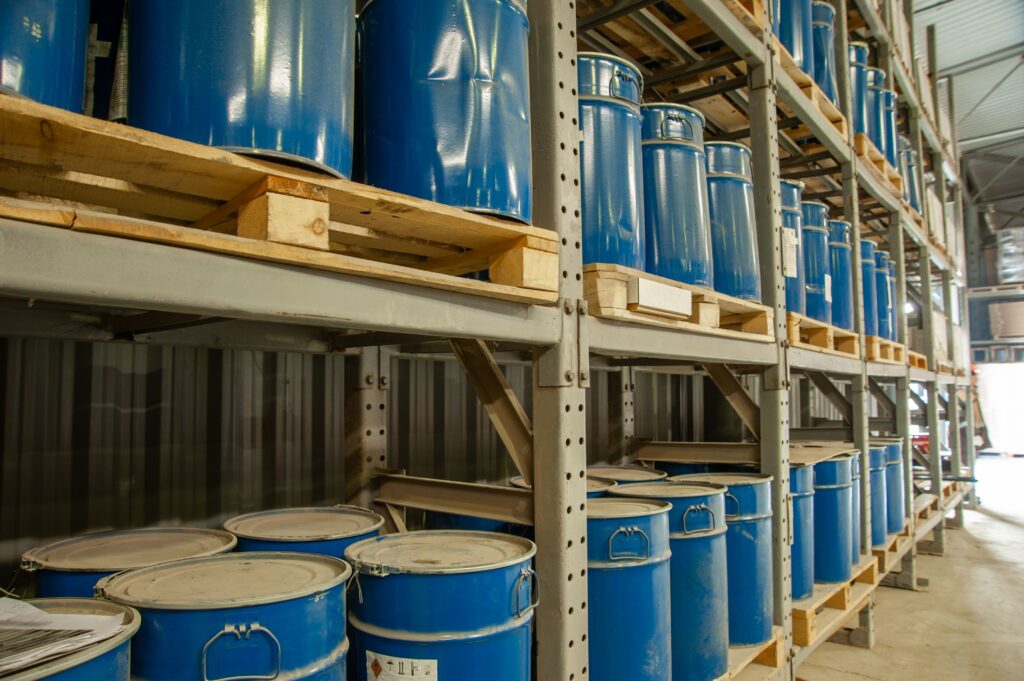
Proper storage of drums and Intermediate Bulk Containers (IBCs) is critical for preventing spills, protecting the environment, and ensuring compliance with UK regulations. Drums and IBCs are commonly used across industries such as manufacturing, chemical processing, and logistics to store oils, fuels, and chemicals. Improper storage can lead to significant pollution risks, with even minor […]

ISO 14001 (Environmental management systems) places a strong emphasis on risk control, environmental protection, and evidence-based planning. For any site that stores, transfers, or uses oils or hazardous liquids, your spill preparedness arrangements are examined closely during an audit. Your auditor will want to see not only that you can react to a spill, but […]

Spill control is one of the most scrutinised areas during environmental and safety audits, and even well-managed sites are often caught out by gaps they didn’t know existed. From missing documentation to undertrained staff, these issues undermine your compliance and increase environmental and operational risk. By understanding the most common failures (and knowing how to […]

Chemical spills can happen without warning; during transfer, storage, decanting, maintenance, or even routine handling. What determines the outcome is not just the equipment you have on-site, but how well your team knows how to use it. That’s where chemical spill kit training becomes invaluable. Training is what transforms spill kits from static equipment (which […]
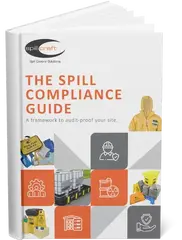
Introduction: What Does Spill Compliance Mean For Your Business? Effective spill control is a legal and operational responsibility for any business responsible for handling oils, fuels, chemicals or hazardous liquids – especially in high-risk sectors. Environmental regulators such as the Environment Agency and workplace authorities, including the Health and Safety Executive (HSE) expect businesses to […]
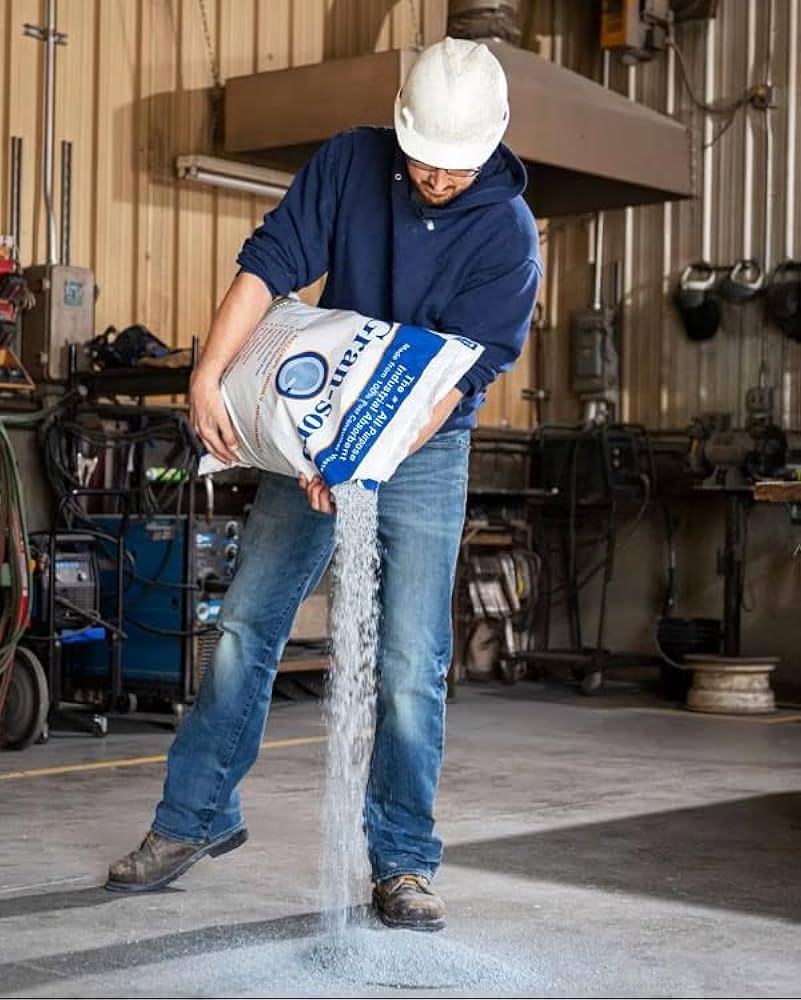
Knowing how to use oil absorbent granules correctly is an essential part of maintaining a safe and well managed workplace.
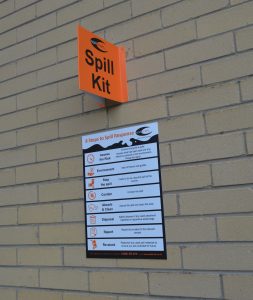
Where you place your emergency spill kits is just as important as selecting the right kit itself.