1. Lack of a Comprehensive Spill Prevention Control and Countermeasure Plan
Auditors often find that sites rely on informal practices and undocumented knowledge instead of a documented, standardised spill strategy. Without a structured plan, risks are unmanaged, responsibilities can be unclear, and response actions are inconsistent. You can solve this by developing a site-specific plan that identifies hazards, containment measures, spill control infrastructure, and required resources. A written plan then becomes your foundation for compliance and effective control, reducing your operational vulnerabilities if a key member of staff is unavailable or leaves your organisation.
2. Inadequate Emergency Spill Response Procedures
Many audits reveal that sites have gaps or outdated steps in their emergency spill response procedures. This usually comes from a plan not being updated regularly enough, or not being adjusted in response to changes. Missing details, such as drain protection, escalation routes, or safe isolation steps, slow down containment and increase the potential environmental impact of a leak. To correct this, create a clear, step-by-step spill response procedure that covers minor, moderate, and major spills, calibrating it to reflect your current site layout and workflows.
3. Insufficient Training on Spill Response Procedures
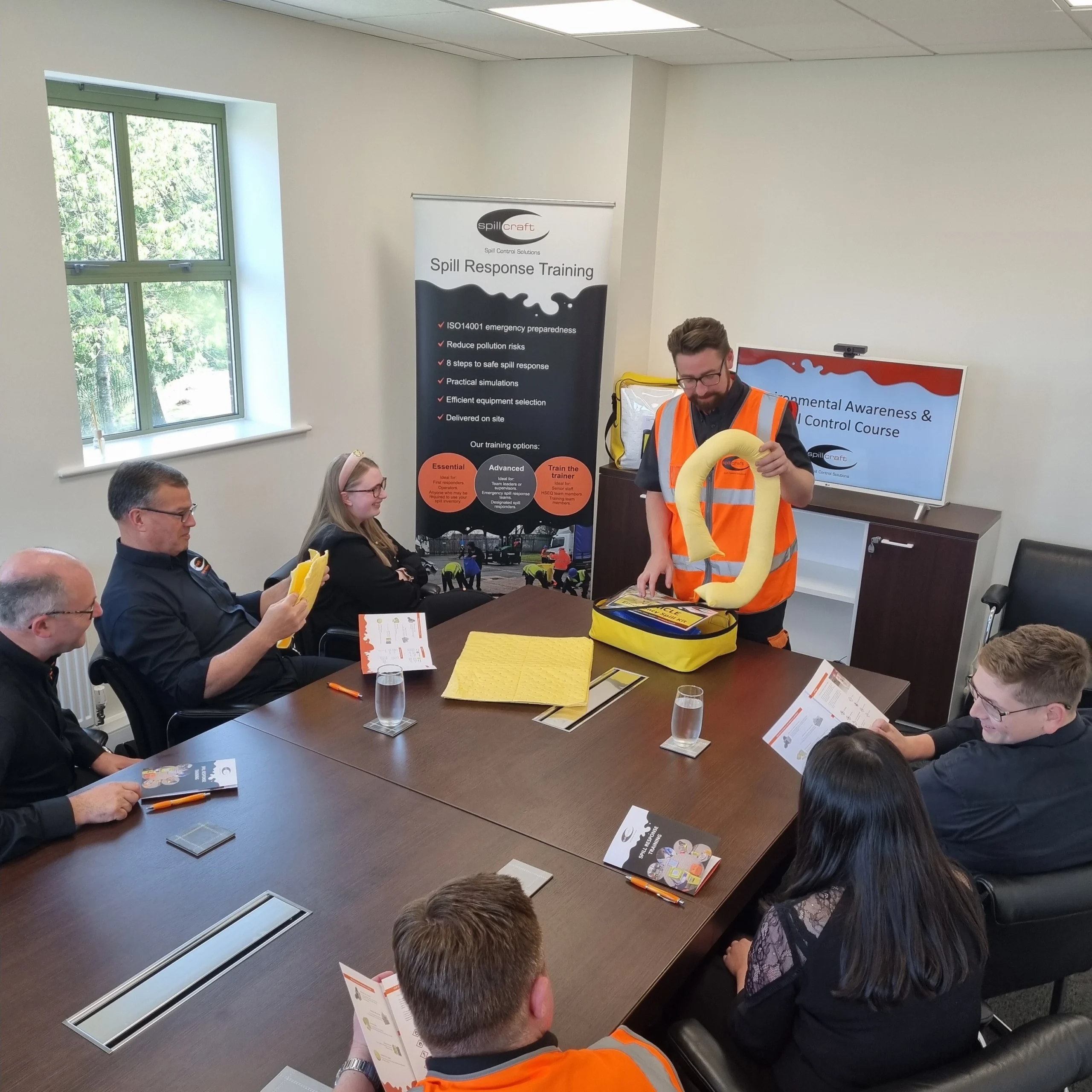
A common failure is assuming that staff will “know what to do” during a spill. The reality is that without structured training and regular refreshers, response actions become inconsistent and unsafe. This increases the risk of exposure, equipment damage, and uncontrolled spread. The solution is regular, role-specific training that reinforces correct technique, kit usage, and scenario-based decision-making, reinforcing confidence and competence across your team.
4. Failure to Regularly Inspect and Maintain Spill Control Equipment
Worryingly, audits frequently uncover empty spill kits, missing absorbents, damaged PPE, or expired materials, indicating insufficient attention to inventory management and response readiness. When equipment is unavailable or unsuitable, even a good procedure becomes ineffective. To avoid this, establish a routine inspection schedule to verify stock levels, replace used items, and confirm that your spill control tools remain accessible and in good working order. Document your checks to demonstrate compliance.
5. Non-Compliance with Spill Prevention Control Countermeasure Regulations
Regulatory gaps often arise when businesses misunderstand their legal obligations or fail to update practices after operational changes. Non-compliance can sometimes lead to fines, remediation costs, and environmental harm, so address this risk by reviewing the relevant spill prevention requirements regularly, integrating any changes into your management system, and using internal audits to verify ongoing alignment.
6. Neglecting to Identify and Document Potential Spill Sources
Many audit failures stem from incomplete hazard identification; for example, overlooking transfer points, worn hoses, waste handling areas, or stored chemicals. Without documented spill sources, your risk control measures could become incomplete or misaligned. The solution is a thorough site assessment to map all potential spill points, document them, and link each one to the appropriate controls and spill response procedure.
7. Absence of a Spill Response Team and Clearly Defined Roles
Auditors often find that staff are unsure who leads the response, who deploys equipment, or who communicates externally during a spill. This lack of structure delays containment measures and increases risk. Create a trained response team with defined responsibilities, backed by clear communication lines and verified competence. This gives your site a reliable, coordinated response when an emergency spill response is required.
Next steps
When you know where organisations most commonly fall short, whether it’s incomplete spill plans, unclear spill response procedures, poor equipment upkeep, or missing training, you can take proactive steps to close those gaps before an audit. Strengthening your spill control measures not only improves safety and compliance but also builds a more confident, capable response team ready to manage any emergency spill response scenario.
Spillcraft can support you with site surveys, compliant spill plans, tailored training, and fully maintained spill control equipment – everything you need for a seamless audit. Please get in touch today to improve your spill readiness and protect your workplace.