
Safe Contractor Approved

BSIF Registered Safety Supplier

Supporting ISO14001 COMPLIANCE

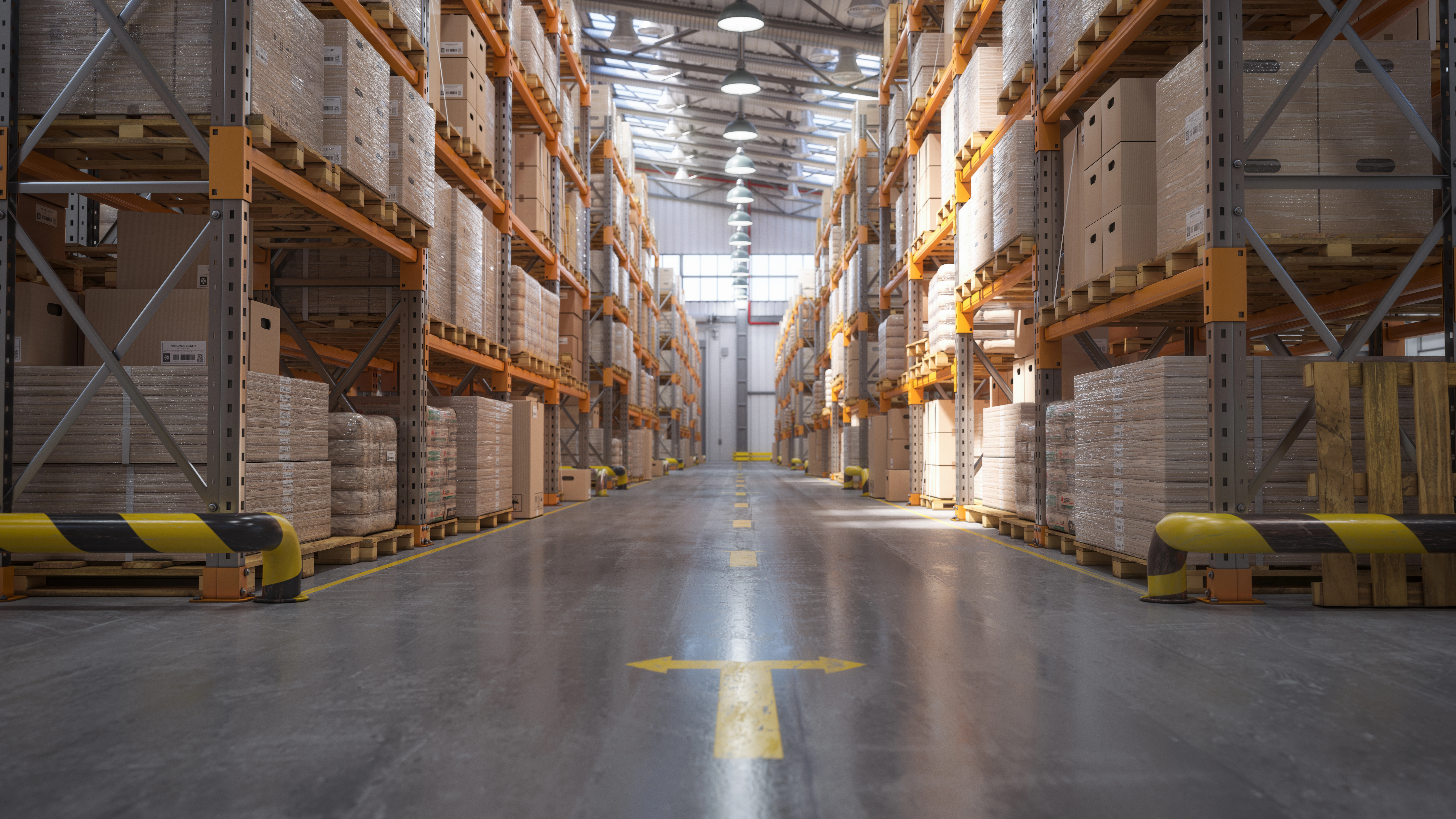
In a busy manufacturing environment, uninterrupted production is critical to maintaining output, revenue, and compliance. Whether you’re overseeing a chemical processing plant or a high-volume plastics factory, your success depends on smooth, uninterrupted workflows. However, it only takes one ruptured IBC or a leaking delivery hose to bring a productive shift to a grinding halt.
When a site relies on outdated processes or cheap, ineffective absorbents, a small incident can quickly escalate into a site-wide shutdown. Understanding how these disruptions happen, and having a clear plan for when they do, is the only way to maintain a truly efficient and compliant facility.
In sectors like chemical manufacturing, you might face an IBC failure or a valve leak during a high-pressure transfer. These sites are often COMAH registered, meaning the stakes for containment are incredibly high. Even a minor drip from a corrosive liquid requires immediate action to protect both the workforce and the integrity of the floor.
In the plastics and metal industries, hazardous material spill examples include hydraulic oil leaks and coolant spills. In food and drink manufacturing, examples of potentially dangerous spills include milk and fruit juice. These liquids are considered hazardous in an environmental context because they can damage ecosystems if they enter drainage systems or watercourses because they can damage ecosystems if they enter drainage systems or watercourses because they can damage ecosystems if they enter drainage systems or watercourses, and spilling them could lead to heavy fines from the Environment Agency.
When a spill occurs, the immediate reaction is often to halt nearby machinery to prevent the liquid from spreading or becoming a fire risk under regulations like DSEAR 2002. This downtime is incredibly expensive. In a high-speed production line, every hour of standing time represents thousands of pounds in lost revenue.
As well as the initial stop, there’s the cleanup. If your team has to spend three hours scrubbing a floor because a low-quality absorbent turned a leak into a slippery sludge, that is three hours of lost labour. Furthermore, if the spill reaches the drainage system because of a lack of secondary containment or drain covers, you move from a simple cleanup to a major environmental incident. This can lead to long-term investigations, increased insurance premiums, and the kind of bad publicity that damages brand protection for years.
If a leak is detected on your site, the speed and quality of the response determine how much disruption you will suffer. Knowing what to do if there is a hazardous material spill is a critical skill for every operative on the shop floor.
The most successful manufacturing sites are those that provide high-utility tools for their teams. This starts with the strategic placement of a dedicated spill kit station. In a large factory setting, an operative should never have to walk more than a minute to grab an absorbent. Having visible, well-stocked stations ensures that a leak is tackled before it gets out of hand.
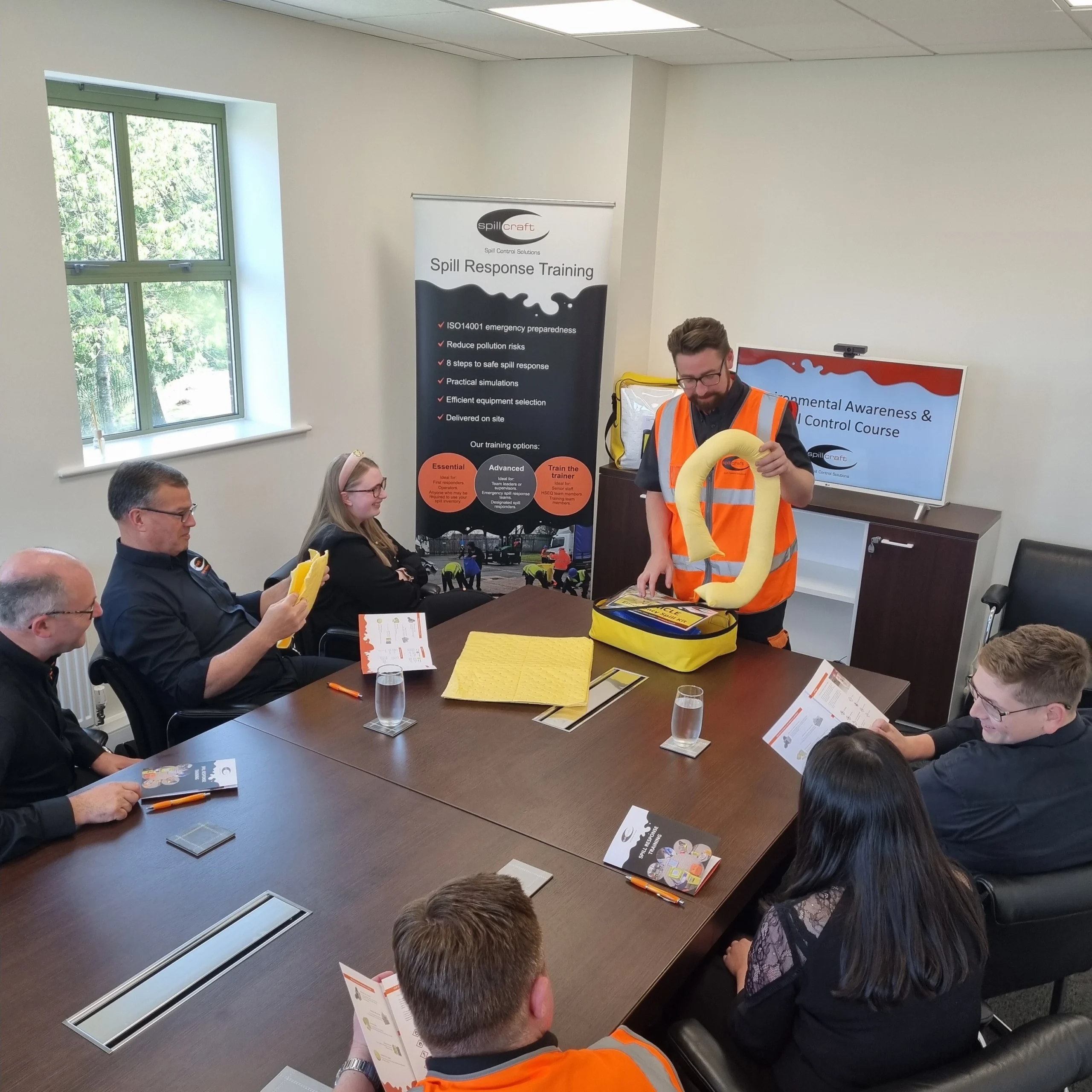
However, equipment alone isn’t enough. You need confident in site procedures and relevant regulations staff who feel competent and ready for any situation. Training should validate the importance of the operative’s role in protecting the environment. When staff are trained to identify near misses, they can prevent the spill from happening in the first place, saving the business from unnecessary downtime.
For a time poor manager, the idea of a messy audit or a site replenishment can feel like one meeting too many. This is why many successful manufacturers look for ways to outsource the replenishment and audit of their equipment. Ensuring that your stations are always full and your bund capacities are correctly calculated means you’re always ready for an inspection or an incident.
Restoring safe operations quickly requires fast-acting products. In retail or hospitality settings, this might mean using a powder that leaves the floor slip-free instantly. In an industrial setting, it means using high-capacity mats that leave the floor dry and clean.
A hazardous material spill doesn’t have to result in a failed audit or a lost day of production. By investing in the right equipment and ensuring your team knows exactly what to do in the event of a hazardous material spill, you turn a potential disaster into a minor hiccup.
Contact us today to learn how we can help you create a well-stocked spill kit station and help to ensure that your staff are ready to act in case of a spill.
Image Source: Envato