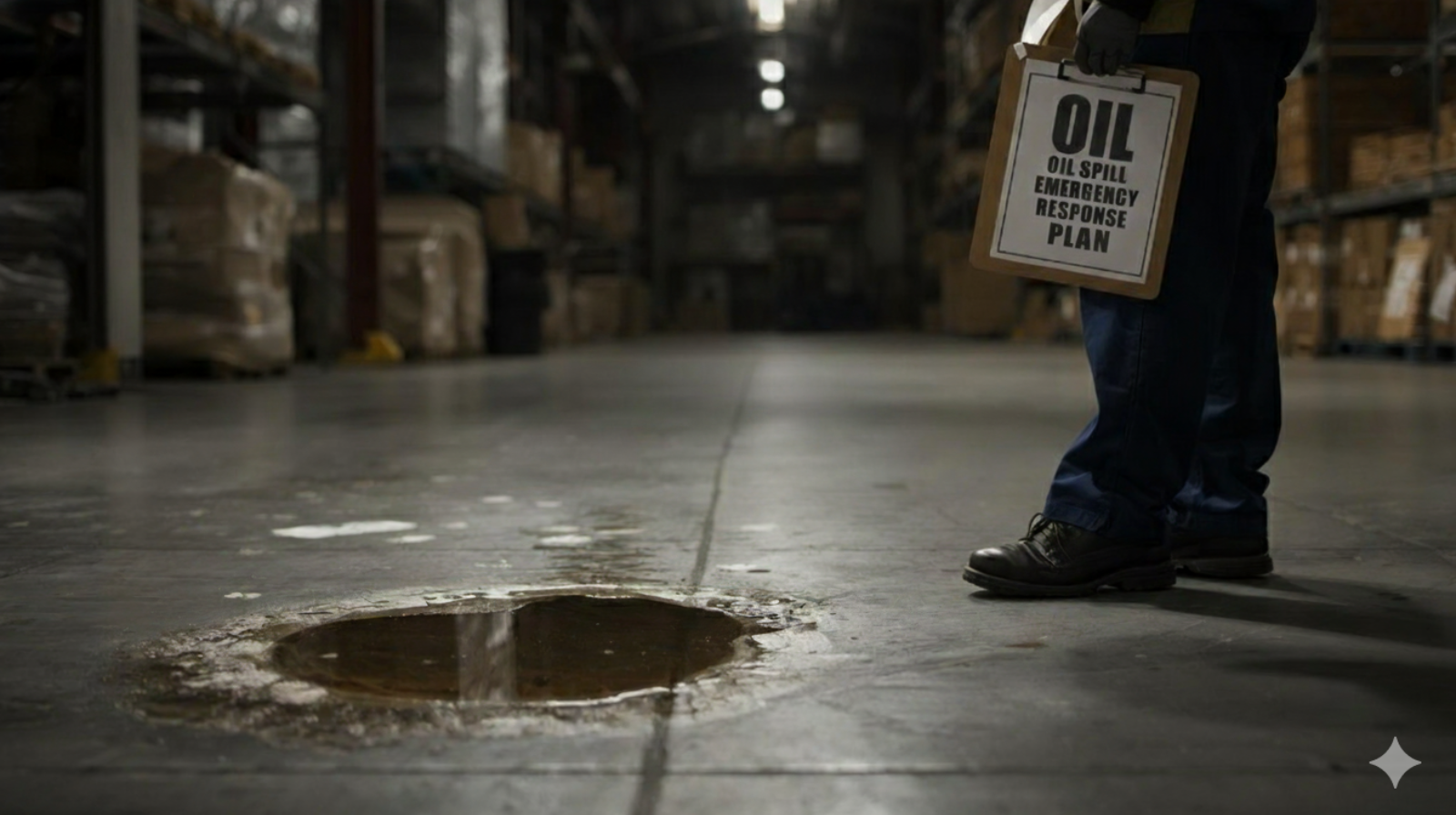



This is why developing and implementing a robust oil spill emergency response plan is essential for any organisation that handles fuels, lubricants or hazardous materials. A well-structured plan not only protects the environment but also empowers your employees to act swiftly and calmly during an incident.
Creating An Environmental Impact Assessment (EIA)
Before building any response strategy, you should complete a thorough Environmental Impact Assessment (EIA). Understanding the potential pathways and consequences of a spill allows you to tailor your control procedures and emergency actions appropriately.
An effective EIA should identify several things:
High-risk areas such as storage rooms, loading bays, plant rooms, and drainage points
Environmental receptors including watercourses, soil, wildlife habitats and storm drains
Worst-case scenarios, mapping out the volume and spread potential
Regulatory obligations under UK environmental protection laws
With this information, you can design an oil response plan that matches your specific risks, rather than relying on generic steps that may not work in a real emergency.
Spill Response Training: Preparing Your Team For An Effective Response
However carefully you conduct your EIA and subsequent risk mitigation plan, a plan is only effective if the people on your site know how to carry it out. Spill response training gives your team the knowledge and confidence to take the right actions quickly and safely.
Through training, your team can learn:
How to spot and report a spill immediately
When they can take action independently and when they need to alert a supervisor
How to use spill kits, absorbents, booms, and drain covers
How to follow your emergency spill response procedure
How to stay safe when working with or near hazardous materials
Practical drills and regular refresher training help you identify what works well and what needs improvement, so that your team is fully prepared long before an incident happens.
What Should Be Included In Your Oil Spill Emergency Response Plan?
A strong oil spill emergency response plan gives you a clear set of steps to follow during an incident, and although each response plan should be tailored to the unique layout and risk profile of your facility, key elements to consider include:
Spill Identification and Reporting: Your plan should outline how you identify different types of spills and how to report them quickly to the right people.
Containment and Control Measures: This includes stopping the source (if it is safe to do so), protecting drains, using absorbents to contain the spread, and securing the area.
Roles and Responsibilities: It helps to make clear who leads the response, who deploys what equipment, who communicates externally, and who handles cleanup and documentation.
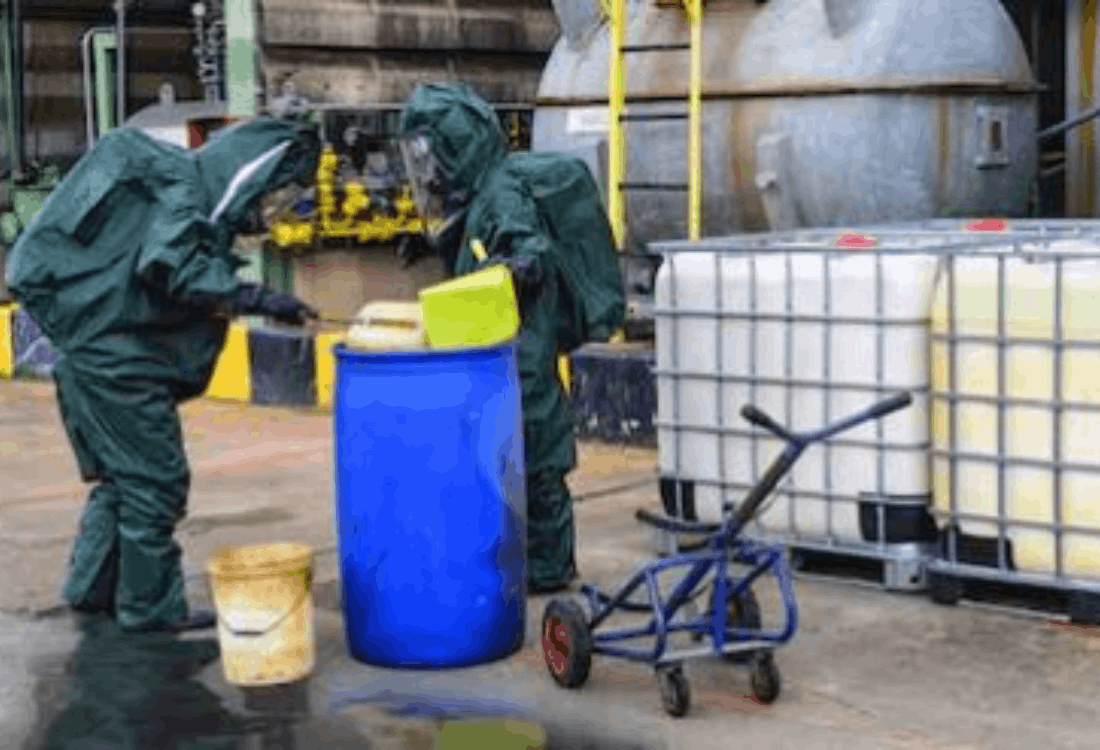
Health & Safety Protocols: Your plan should describe the PPE (Personal Protective Equipment) required, the hazards associated with different liquids on site, and the safe working practices your team must follow.
Cleanup and Disposal: This section outlines how to collect any contaminated materials, where to store them temporarily, and how to dispose of them in line with hazardous waste regulations.
Post-Incident Review: After every incident, no matter how small, you should review what happened, identify the lessons learned, and update your plan. This strengthens your response over time.
What Spill Response Equipment Do You Need?
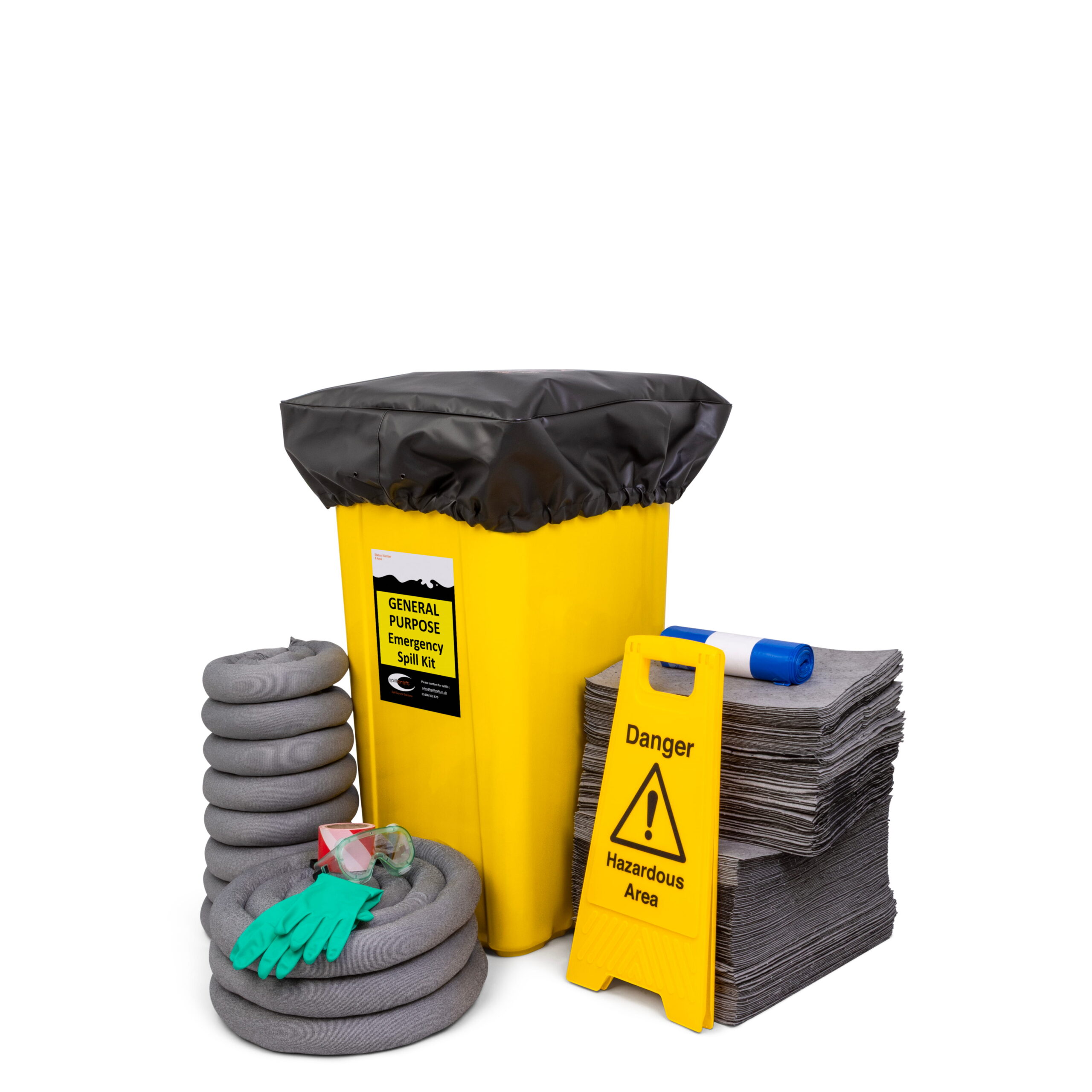
To respond effectively, you’ll need the right spill response equipment readily available. This may include:
Oil-only or general-purpose absorbents
Spill kits positioned near high-risk areas
Booms, socks, and drain covers
Suitable PPE
Waste bags and containers for safe disposal
Communication tools for alerting your team
Be sure to audit your inventory on a regular basis and stock up any supplies that run low. This will give your team confidence that their equipment is kept complete, accessible, and ready for use at a moment’s notice.
What next?
A spill can happen without warning, but with the right planning, training, and equipment, you can respond quickly and minimise the impact. To find out more, please contact one of the experts at Spillcraft today by sending us an email on [email protected].