When to Use Absorbent Granules vs Absorbent Pads for Spill Control?
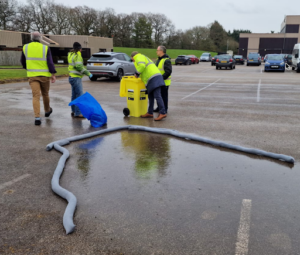
Granules and pads both absorb liquids, but they operate differently at the floor surface and create different downstream handling burdens. So, when do you use



Granules and pads both absorb liquids, but they operate differently at the floor surface and create different downstream handling burdens. So, when do you use
When a leak or spill occurs in the workplace, the immediate priority is containment. Whether it’s a burst hydraulic line in a plastic manufacturing plant

ISO 14001 (Environmental management systems) places a strong emphasis on risk control, environmental protection, and evidence-based planning. For any site that stores, transfers, or uses

Spill control is one of the most scrutinised areas during environmental and safety audits, and even well-managed sites are often caught out by gaps they

Chemical spills can happen without warning; during transfer, storage, decanting, maintenance, or even routine handling. What determines the outcome is not just the equipment you
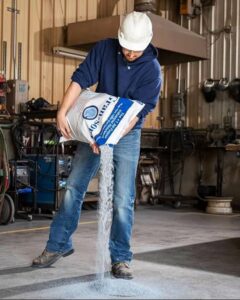
Knowing how to use oil absorbent granules correctly is an essential part of maintaining a safe and well managed workplace.

Guide to Coveralls Coveralls are a necessity in many businesses to protect employees from contamination from liquids, dusts, particles and other potentially harmful substances. Our
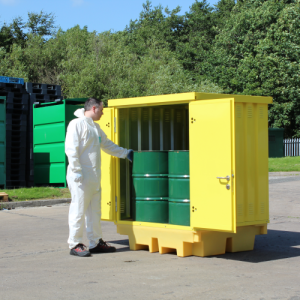
Bunding- Guide to secondary containment Bunds are spill containment and storage products which will collect liquid safely should a spill or leak occur, preventing further
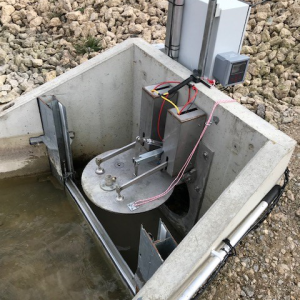
This is the first purpose designed, fail-safe, compliant valve that gives you absolute peace of mind that if you were to suffer a spill, a

We all need to ensure we are doing everything possible to protect our planet for generations to come. Pollution incidents occur daily, often going unnoticed
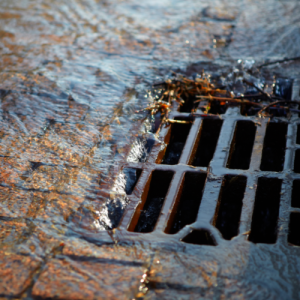

Pollution Incident Response Plan If you store any substances that have the potential to harm the environment, not only is it important you plan for

Unlike a controlled factory floor, a retail store is filled with unpredictable factors. When a bottle of olive oil shatters in an aisle, or a
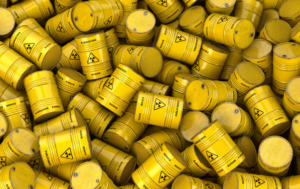
In a busy manufacturing environment, uninterrupted production is critical to maintaining output, revenue, and compliance. Whether you’re overseeing a chemical processing plant or a high-volume
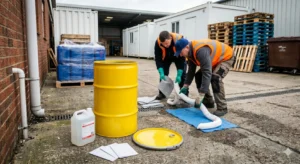
For many HSE managers and site directors, the word audit triggers a sense of dread. Whether it’s an internal review or an external inspection by

Spill response plans and spill risk assessments address different stages of the same problem. Response planning focuses on what happens after a release occurs, while
Granules and pads both absorb liquids, but they operate differently at the floor surface and create different downstream handling burdens. So, when do you use
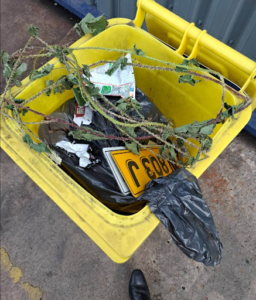
When a leak or spill occurs in the workplace, the immediate priority is containment. Whether it’s a burst hydraulic line in a plastic manufacturing plant